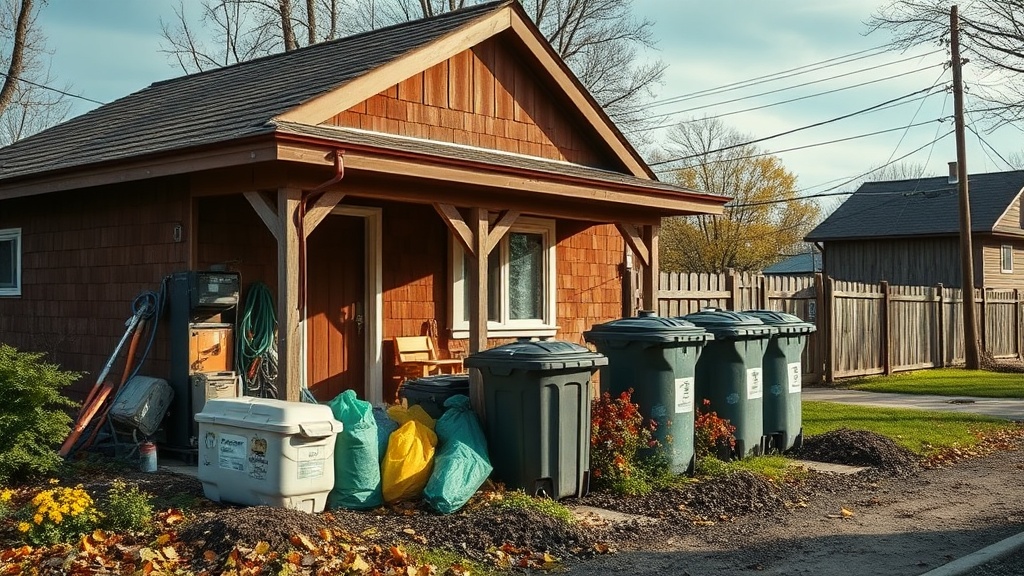
Setting Up Your Martens Ville Household Waste System Correctly

Managing Your Weekly Trash and Recycling in Martens Ville
Imagine it's Tuesday morning in Martens Ville and you're standing by the curb, staring at your bin, wondering if you've put the wrong item in the blue bin. We've all been there. Getting the waste management system right isn't just about following a schedule; it's about making sure our community stays clean and our local landfill capacity stays manageable. If we don't get the sorting right, we end up costing our local municipality more in processing fees, which affects everyone in Martens Ville.
The system here in Martens Ville relies on us being diligent. When we throw a plastic bottle in the garbage instead of the recycling bin, it disrupts the entire batch. We want to keep our streets around the Martens Ville residential areas looking sharp, and that starts with knowing exactly what goes where. Most of us are used to the standard black bin for landfill and the blue bin for recycling, but the rules for what counts as "recyclable" can shift based on current processing capabilities.
Where does my recycling actually go?
A common question we hear around the Martens Ville community center is about specific materials like glass or certain plastics. Generally, the blue bin is for clean, dry paper, cardboard, and certain plastics. If you've got a pizza box from a local shop that's soaked in grease, don't put it in the recycling. That grease ruins the paper recycling process. We need to keep the materials clean to ensure they can actually be reused. If you're unsure about a specific item, it's always better to put it in the garbage than to contaminate a whole load of recycling. You can check the official provincial guidelines for waste management via the Government of Saskatchewan website to see how large-scale processing works.
For those living near the industrial outskirts of Martens Ville, you might notice different collection frequencies. Always check your specific neighborhood's schedule. We don't want anyone missing a pickup day and leaving bins out on the street for days on end—it's not great for the local aesthetic and can attract unwanted wildlife.
How do I dispose of hazardous household items?
This is where many folks in Martens Ville get tripped up. You can't just toss an old battery, a half-empty can of paint, or an old electronic device into your regular curbside bin. These items can cause fires in the collection trucks or leak chemicals into the ground. Instead, we have specific drop-off points. If you're looking for a way to handle bulky items or dangerous materials, you'll often need to head to a designated regional landfill or a specific collection site. For example, if you have old electronics, look into local e-waste programs that often run periodically in the region.
Keep an eye on the local notices near the Martens Ville post office or on our community boards for any special hazardous waste collection days. These are much safer and more environmentally friendly than trying to sneak an old printer into the regular trash. We want to protect our local soil and groundwater, and that starts with responsible disposal of things like motor oil or pesticides.
What are the rules for yard waste and organics?
During the spring and summer, our yard waste piles can get a bit out of hand. While some areas near Martens Ville might have different setups, many of us use green bins or designated compostable bags for organic matter. This includes grass clippings, leaves, and even food scraps. If you're composting in your own backyard, make sure you're doing it in a way that doesn't bother the neighbors. Nobody wants a pile of rotting organic matter sitting right against their fence line!
If you are using a municipal organic collection service, remember that "biodegradable" doesn't always mean it belongs in the bin. For instance, certain types of heavy plastics, even if labeled compostable, might not be accepted by the local processing facilities. It's best to stick to the basics: food scraps and yard trimmings. For more technical information on composting and organic waste, the Natural Resources Canada website offers great advice on managing organic materials at home.
| Item Type | Bin Type | Note |
|---|---|---|
| Paper & Cardboard | Blue Bin | Must be dry and non-greasy |
| Plastic Bottles | Blue Bin | Rinse out any residue first |
| Food Scraps | Green/Organic Bin | No plastic bags unless specified |
| Batteries/Electronics | Special Drop-off | Never put in curbside bins |
| General Trash | Black/Garbage Bin | Non-recyclable materials |
Living in Martens Ville means we look out for one another, and that includes looking out for our environment. By following these simple steps, we ensure that our waste management system stays efficient and our community stays beautiful. Next time you're standing over your bins, take a second to think about where that item really belongs. It makes a huge difference for all of us here in Martens Ville.